Eschatology PDF: A Comprehensive Overview (as of 04/28/2026)
Exploring eschatological PDFs reveals insights into Constantine’s impact on Christianity, alongside Jerusalem’s pivotal role as a sacred, covenant-centered city for multiple faiths.

What is Eschatology?
Eschatology, at its core, is the theological study of “last things” – the ultimate destiny of humanity and the universe. Examining eschatology PDFs provides access to diverse interpretations of these concepts, often rooted in religious texts and historical analyses.
These documents delve into beliefs surrounding death, the afterlife, resurrection, judgment, and the final state of existence. PDF resources frequently explore how historical events, like Constantine’s influence on Christianity, shaped eschatological doctrines.
Furthermore, the significance of cities like Jerusalem – central to Jewish, Christian, and Islamic eschatologies – is often a key focus within these materials. PDF analyses reveal how differing perspectives on these “last things” have evolved over time, impacting faith and culture.
The Historical Development of Eschatological Thought
Eschatological thought’s evolution, as documented in numerous PDFs, traces back to ancient roots, initially emerging within Jewish apocalyptic literature. These early texts, often analyzed in PDF format, focused on themes of cosmic struggle and divine intervention.
The rise of Christianity significantly shaped this trajectory, with the New Testament offering its own distinct eschatological vision. PDF resources highlight how Constantine’s embrace of Christianity dramatically altered its trajectory, influencing doctrinal development.
Subsequent centuries witnessed diverse interpretations, often reflected in theological treatises available as PDF downloads. Examining these historical PDFs reveals the enduring importance of Jerusalem as a focal point for eschatological beliefs across Judaism, Christianity, and Islam.
Constantine and the Christianization of Eschatology
PDF analyses of Constantine’s reign demonstrate a pivotal shift in eschatological understanding. Prior to his rule, Christianity existed as a minority faith, with diverse eschatological perspectives. However, Constantine’s patronage, extensively detailed in historical PDFs, propelled Christianity to prominence.
This Christianization impacted eschatology by solidifying certain doctrines and marginalizing others. PDF resources reveal how imperial policy influenced theological debates, particularly concerning the millennium and the Second Coming. The emperor’s involvement, documented in scholarly PDFs, fundamentally altered the landscape of eschatological thought.
Furthermore, the availability of PDFs showcasing primary source materials illuminates how Constantine’s actions shaped the future direction of Christian eschatology, intertwining faith and imperial power.
The Impact of Roman Imperial Policy
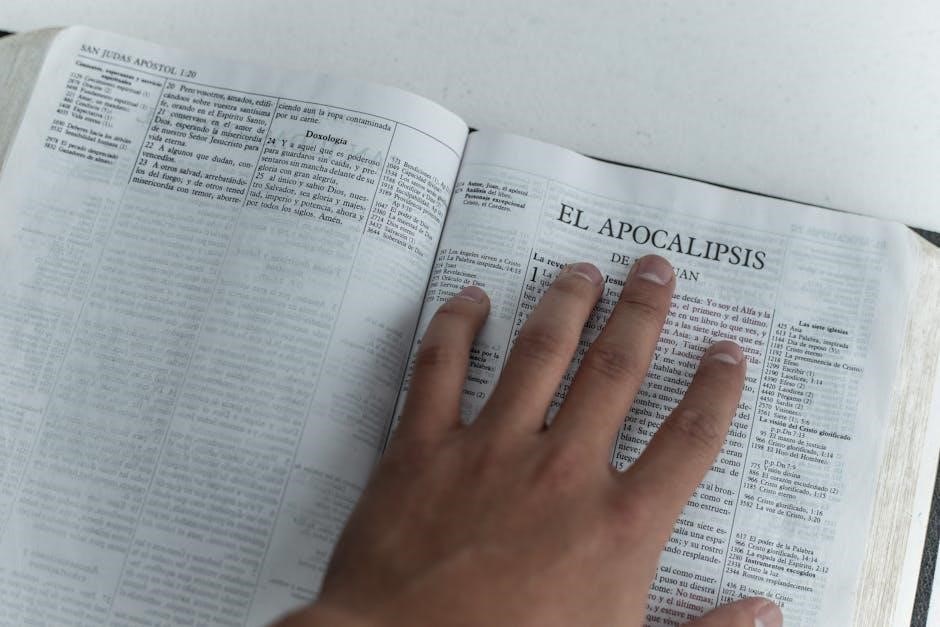
PDF documents detailing Roman imperial policy reveal a systematic influence on religious expression, including eschatological beliefs. Prior to Constantine, persecution shaped Christian eschatology, fostering a sense of imminent tribulation and divine intervention. However, imperial decrees, accessible in digitized PDF archives, dramatically altered this dynamic.

PDF analyses demonstrate how policies promoting religious uniformity impacted eschatological diversity. The state’s preference for certain interpretations, evidenced in legal PDFs, led to the suppression of alternative viewpoints. This control extended to the portrayal of the future, influencing theological discourse.
Scholarly PDFs highlight how imperial funding and patronage shaped the development of eschatological doctrines, solidifying specific narratives and marginalizing others within the evolving Christian framework.
The Council of Nicaea and Early Eschatological Doctrines
PDF records from the Council of Nicaea (325 AD) are crucial for understanding the formalization of early Christian eschatology. These digitized documents reveal debates surrounding the nature of Christ, directly impacting beliefs about the Second Coming and the final judgment – core eschatological tenets.
Analysis of Nicaean PDF transcripts demonstrates the council’s attempt to standardize doctrine, addressing differing views on the millennium and the resurrection. The Nicene Creed, readily available in PDF format, implicitly shaped future eschatological interpretations.
Scholarly PDFs highlight how the council’s decisions, while primarily focused on Christology, had profound consequences for eschatological thought, establishing a framework for subsequent theological development and debate;
Key Eschatological Concepts
PDF resources dedicated to eschatology consistently emphasize core concepts: the Second Coming of Christ, the resurrection of the dead, and the final judgment. These themes are frequently explored in digitized theological treatises and biblical commentaries available as PDF downloads.
Many PDF studies dissect the concept of the millennium, presenting diverse interpretations – premillennial, amillennial, and postmillennial – alongside detailed scriptural analyses. Examining these PDFs reveals the complexities and nuances within each viewpoint.
Furthermore, PDF texts often delve into the significance of Jerusalem, highlighting its unique role in Jewish, Christian, and Islamic eschatological beliefs, showcasing its centrality to end-times prophecies and expectations.
The Millennium: Different Interpretations
PDF documents exploring eschatology dedicate significant space to the millennium, a concept sparking diverse interpretations. PDF analyses of Revelation frequently contrast Premillennialism, anticipating Christ’s return before a literal thousand-year reign, with Amillennialism, viewing the millennium symbolically as the present church age.
Postmillennialism, also detailed in numerous PDF resources, posits Christ’s return after a period of global Christian influence. These PDFs often include charts comparing scriptural support for each view, alongside historical theological arguments.
Critical PDF studies highlight the interpretive challenges, noting variations within each school of thought. Accessing these PDFs provides a comprehensive overview of the ongoing debate surrounding the millennium’s nature and timing.
Premillennialism
PDF resources on Premillennialism consistently emphasize a future, literal seven-year tribulation period preceding Christ’s visible return to Earth. These PDFs detail the belief in a subsequent thousand-year reign of Christ with resurrected saints, establishing a righteous kingdom. PDF analyses often dissect relevant biblical passages, particularly from Daniel and Revelation, supporting this sequential timeline.
Dispensational Premillennialism, a prominent strain explored in many PDFs, further divides this tribulation into pre-, mid-, and post-tribulation rapture viewpoints. PDF documents frequently present arguments for and against each position.
Critical PDF studies acknowledge the historical roots of Premillennialism and its resurgence in modern evangelicalism, offering nuanced perspectives on its theological underpinnings.

Amillennialism
PDF explorations of Amillennialism reveal a perspective rejecting a literal thousand-year earthly reign of Christ. Instead, these PDF resources posit that the millennium symbolizes the present spiritual reign of Christ in the hearts of believers and in heaven. PDF analyses frequently interpret Revelation symbolically, viewing it as a depiction of the ongoing struggle between good and evil.
Many PDF documents highlight the influence of Augustine on Amillennial thought, emphasizing the spiritual rather than physical nature of the kingdom of God. PDFs often contrast this view with Premillennialism, detailing differing interpretations of biblical prophecy.
Critical PDF studies examine the historical development of Amillennialism and its prevalence in Reformed theology, offering a comprehensive understanding of its core tenets.
Postmillennialism
PDF resources dedicated to Postmillennialism showcase a belief that Christ’s second coming will occur after a prolonged period of peace and righteousness on Earth. These PDF documents often detail how Christian influence and societal reform will gradually transform the world, ushering in an era of unprecedented justice and prosperity.
PDF analyses frequently explore the historical roots of Postmillennialism, particularly its prominence during the 19th-century missionary movement. Critical PDF studies examine the social and political implications of this viewpoint, noting its connection to progressive activism.
PDFs often present arguments for the church’s role in actively shaping culture and establishing God’s kingdom on Earth, contrasting this with other eschatological perspectives.
The Second Coming of Christ
PDF studies concerning the Second Coming of Christ delve into diverse interpretations of this central tenet of Christian eschatology. Many PDF resources explore scriptural prophecies related to Christ’s return, analyzing passages from the Gospels, Paul’s epistles, and Revelation.
PDF analyses often compare and contrast different viewpoints – Premillennial, Amillennial, and Postmillennial – regarding the timing and nature of this event. Critical PDF documents examine the theological implications of various scenarios, including pre-tribulation, mid-tribulation, and post-tribulation rapture theories.
PDFs frequently address the ethical and practical implications of believing in Christ’s imminent return, emphasizing the importance of faithful living and evangelism.

The Resurrection of the Dead
PDF resources dedicated to the Resurrection of the Dead meticulously examine biblical accounts and theological interpretations of this foundational belief. These PDF documents often dissect Paul’s detailed explanation in 1 Corinthians 15, focusing on the nature of the resurrected body – spiritual yet real.
Many PDF analyses explore the relationship between the resurrection and concepts like immortality, judgment, and eternal life. They also address common objections and challenges to the doctrine, offering apologetic arguments and scriptural defenses.
PDF studies frequently compare the Christian understanding of resurrection with differing views found in Jewish and Islamic eschatology, highlighting unique aspects of each faith’s perspective. Critical PDFs also discuss the historical evidence supporting the resurrection claim.
The Final Judgment
PDF documents concerning the Final Judgment delve into diverse interpretations of this climactic event, often referencing passages from Matthew 25 and Revelation 20. These resources analyze the criteria for judgment – deeds, faith, and relationship with Christ – as presented in various theological traditions.
Many PDF analyses explore the concepts of heaven, hell, and purgatory, examining their scriptural basis and theological development. They also address questions regarding the scope of judgment: is it universal or limited to unbelievers?
Critical PDF studies often compare and contrast different views on the nature of punishment and reward, exploring themes of justice, mercy, and divine sovereignty. Furthermore, PDFs frequently discuss the ethical implications of belief in a Final Judgment, impacting present-day moral behavior.
Eschatology and Jerusalem

PDF resources on eschatology consistently highlight Jerusalem’s central role across Jewish, Christian, and Islamic traditions. These documents detail Jerusalem’s significance as a focal point of covenant and a city laden with symbolic and theological weight.
Many PDF analyses explore Jewish eschatological expectations concerning the rebuilding of the Temple and the Messianic age centered in Jerusalem. Christian PDFs often examine Jerusalem’s role in the Second Coming of Christ and the establishment of God’s kingdom on Earth.
Islamic eschatological PDFs discuss Jerusalem’s importance in prophetic traditions, particularly concerning the Night Journey (Isra and Mi’raj). Critical PDF studies compare these perspectives, revealing shared themes and unique interpretations regarding Jerusalem’s future.
Jerusalem’s Significance in Jewish Eschatology
PDF documents detailing Jewish eschatology consistently emphasize Jerusalem as the epicenter of Messianic hope. These resources illustrate the belief in the future rebuilding of the Holy Temple on the Temple Mount, a central tenet of many Jewish eschatological views.
Analysis of these PDFs reveals expectations of a future ingathering of the Jewish diaspora to Jerusalem, establishing a sovereign Jewish state. Many PDFs explore the concept of a Messianic king descending from the line of David, ruling from Jerusalem and ushering in an era of universal peace.
Furthermore, PDF studies highlight the importance of Jerusalem in Jewish prophetic literature, citing numerous passages foretelling its central role in the end times. These texts often detail a transformed Jerusalem, becoming a “city of truth” and a beacon to the nations.
Jerusalem’s Role in Christian Eschatology
PDF resources on Christian eschatology frequently portray Jerusalem as the focal point for the Second Coming of Christ. These documents detail beliefs surrounding Christ’s return to the Mount of Olives, initiating the final judgment and establishing His millennial kingdom.

Analyzing these PDFs reveals diverse interpretations regarding Jerusalem’s future. Some emphasize a rebuilt Temple, mirroring Jewish expectations, while others focus on a spiritual restoration. Many PDFs explore the prophetic significance of Jerusalem in the Book of Revelation, interpreting its symbolism related to the New Jerusalem.
Furthermore, PDF studies highlight Jerusalem’s role as a site of both suffering and redemption in Christian theology, referencing Jesus’ crucifixion and resurrection within its walls. These texts often connect Jerusalem to the ultimate fulfillment of God’s covenant promises.
Jerusalem in Islamic Eschatology
PDF documents examining Islamic eschatology reveal Jerusalem (al-Quds) holds significant, though distinct, importance. These resources detail the belief in the Night Journey (Isra and Mi’raj), where Prophet Muhammad ascended to heaven from the Al-Aqsa Mosque, solidifying its sanctity.
Analysis of these PDFs shows Jerusalem is anticipated to play a role in the end times, often linked to the arrival of the Mahdi and the return of Jesus (Isa). Some PDFs describe a future battle fought near Jerusalem, preceding the Day of Judgment.
Islamic PDFs also emphasize Jerusalem as a holy city, a place of prayer and divine blessing, though not necessarily the central focus of the final judgment as in Christian views. They highlight its connection to previous prophets and its eventual liberation.
Eschatological Texts and Sources (PDF Focus)
PDF repositories offer a wealth of primary and secondary sources for eschatological study. Digitized versions of biblical texts – Revelation, Daniel, Matthew 24 – are frequently available, alongside commentaries from theologians throughout history. Many PDFs contain analyses of early Church Fathers’ writings on the end times.
Furthermore, PDFs showcase systematic theologies dedicated to eschatology, exploring doctrines like the millennium and the Second Coming. Access to academic journal articles, often in PDF format, provides critical perspectives on diverse interpretations.
Examining these PDF resources reveals the historical development of eschatological thought, from ancient Jewish apocalyptic literature to modern dispensationalist perspectives. Careful source evaluation, as detailed in accompanying PDF guides, is crucial.
Common PDF Resources on Eschatology
PDF collections from theological seminaries and universities frequently host digitized dissertations and research papers on eschatology. Websites like JSTOR and ATLA Religion Database offer access to numerous scholarly PDF articles. Bible study organizations often provide free PDF study guides focusing on prophetic texts.
PDF versions of classic works, such as those by Augustine, Millenarians, and contemporary theologians, are readily available through online libraries. Many denominations publish PDF statements of faith addressing eschatological beliefs.
Furthermore, PDFs detailing the historical context of Constantine’s influence on Christian eschatology, and Jerusalem’s significance, are common. Beware of biased or unsubstantiated claims; critical evaluation of PDF sources is essential.
Analyzing Eschatological PDFs: Critical Considerations
When evaluating eschatology PDFs, assess the author’s theological background and potential biases. Consider the publication date; interpretations evolve. Scrutinize the source – is it peer-reviewed scholarship, denominational material, or independent commentary?
Verify claims against primary biblical texts and historical evidence. Be cautious of sensationalized or dogmatic assertions, particularly regarding timelines or specific events. Cross-reference information with multiple sources to ensure accuracy.
Pay attention to the PDF’s handling of complex concepts like the millennium and Jerusalem’s role. Recognize that interpretations of Constantine’s impact and prophetic passages vary widely. A critical approach safeguards against misinformation and promotes informed understanding.
Contemporary Eschatological Trends
Recent eschatology PDFs demonstrate a surging interest in dispensationalism, fueled by online resources and popularized interpretations of biblical prophecy. This trend often focuses on detailed timelines and the geopolitical significance of Israel.
However, PDFs also reveal a growing counter-movement emphasizing holistic and socially-engaged eschatology. These resources connect end-times beliefs with contemporary issues like climate change and social justice, advocating for present action.
The digital age facilitates rapid dissemination of diverse viewpoints, leading to increased polarization. Analyzing these PDFs highlights a tension between literalist interpretations and more symbolic or contextual approaches to eschatological themes, reflecting a dynamic landscape.
The Rise of Dispensationalism
Eschatology PDFs increasingly showcase the prominence of Dispensationalism, a theological system gaining traction since the 19th century. These documents often detail a specific, chronological unfolding of God’s plan for humanity, divided into distinct “dispensations” or eras.

PDF analyses reveal a strong emphasis on the pre-tribulation rapture, a belief that Christians will be removed from Earth before a period of tribulation. Charts and timelines within these resources visually represent this eschatological framework.
The accessibility of PDFs has contributed to Dispensationalism’s spread, offering detailed explanations and interpretations to a wider audience. However, critical PDFs also present scholarly critiques of its historical and biblical foundations.
Eschatology in the 21st Century
Eschatology PDFs in the 21st century demonstrate a fascinating interplay between traditional doctrines and contemporary concerns. Digital formats allow for rapid dissemination of diverse perspectives, reflecting a fragmented landscape of belief.

Many PDFs explore the impact of global events – political instability, environmental crises, and technological advancements – on eschatological interpretations. The rise of apocalyptic narratives in popular culture is also frequently analyzed.
Critical PDF resources highlight the need for nuanced engagement with eschatological thought, cautioning against overly literal or sensationalized readings. They emphasize the ethical implications of different eschatological viewpoints, promoting responsible theological discourse.