Honda Rubicon owners frequently discuss transmission issues online, spanning models from 2003 to 2015.
Recent forum posts detail experiences with HR-V, Jazz, Civic, and CR-V models, highlighting repair costs and reliability concerns.
Discussions cover hybrid systems, ABS problems, and start/stop functionality, impacting owner decisions regarding Honda vehicles.
Overview of the Rubicon Model
The Honda Rubicon, a popular choice for off-road enthusiasts, debuted in 2003 and continued through 2014, gaining a dedicated following. Online forums reveal consistent owner engagement, discussing various model years and their specific characteristics.
Recent posts highlight experiences with related Honda models like the HR-V, Jazz, Civic, and CR-V, indirectly informing Rubicon owner perspectives on Honda’s overall reliability. Concerns regarding hybrid systems, ABS functionality, and start/stop features are frequently voiced, impacting perceptions of Honda’s engineering.
These discussions demonstrate a community actively seeking information and sharing experiences related to Honda vehicle maintenance and potential issues.
Significance of the Manual Transmission Option
The manual transmission in the Honda Rubicon offered drivers greater control, particularly crucial for challenging off-road terrain. While online discussions primarily focus on broader Honda reliability – encompassing HR-V, Jazz, Civic, and CR-V models – the Rubicon’s manual option remains a point of preference for experienced drivers.
Forum posts reveal concerns about modern automatic systems and their responsiveness, subtly reinforcing the value of the manual’s direct connection. Issues reported with ABS, hybrid systems, and start/stop features on other Honda models highlight the manual’s simplicity and perceived robustness.
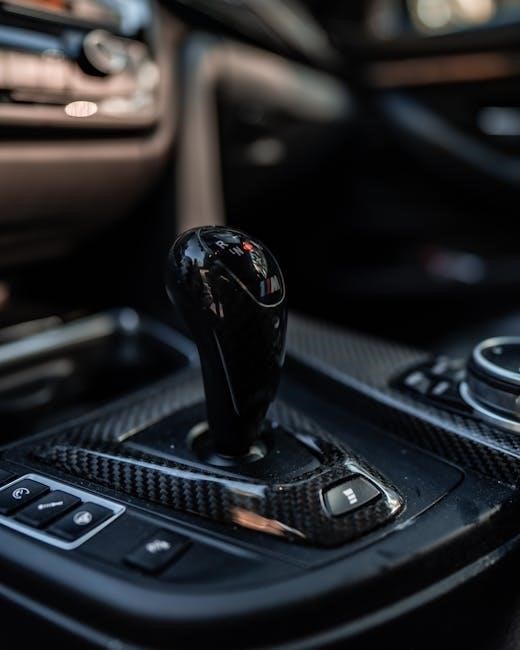
Understanding the Rubicon’s Manual Transmission
Rubicon’s manual gearbox, though less discussed in recent Honda forums focused on newer models, provides a direct mechanical link for precise control.
Transmission Type and Gear Ratios
The Honda Rubicon typically features a robust, fully synchronized 6-speed manual transmission, designed for both on-road drivability and challenging off-road conditions. Specific gear ratios vary slightly between model years, but generally prioritize low-end torque for rock crawling.
While detailed ratio information isn’t prominent in recent online discussions focusing on newer Honda models like the HR-V or Jazz, the Rubicon’s transmission is known for its durability. Owners often discuss repairs related to other components – ABS, brakes – rather than the core transmission itself, suggesting relative reliability.
Components of the Manual Transmission System
The Rubicon’s manual transmission system comprises several key components: the gearbox itself, containing gears and shafts; a robust clutch assembly for engaging and disengaging power; a shift linkage connecting the shifter to the gearbox; and associated seals and bearings. Online forums reveal owner concerns with braking systems (ABS) and engine start/stop features in newer Hondas, but less focus on core transmission parts.
These components work in harmony to deliver power from the engine to the drivetrain, enabling precise control and efficient operation, particularly crucial for off-road adventures.
Differences Between Rubicon Transmission Years
While the core Rubicon manual transmission remained largely consistent, subtle changes occurred across model years. Early models (2003-2006) may exhibit different wear patterns compared to later iterations (2007-2014). Online discussions highlight issues with Honda vehicles like the Civic and CR-V experiencing problems after significant mileage, potentially indicating evolving component quality.
These differences often relate to internal gear metallurgy, bearing designs, and shift linkage refinements, impacting long-term durability and performance.

Operating the Rubicon Manual Transmission
Proper shifting and clutch control are vital for Rubicon longevity, mirroring concerns voiced by Honda owners regarding Civic and CR-V maintenance.
Smooth engagement prevents wear.
Proper Shifting Techniques
Mastering the Rubicon’s manual transmission demands precise technique. Depress the clutch fully before each shift, ensuring smooth gear engagement. Avoid abrupt changes; synchronize clutch release with throttle input for seamless transitions.
Downshifting requires rev-matching – briefly increasing engine speed to match the lower gear’s RPM – minimizing drivetrain shock. Online Honda forums echo the importance of preventative maintenance, like clutch adjustments, to avoid costly repairs seen in Civic and CR-V models. Consistent, deliberate shifting extends transmission life.
Clutch Operation and Maintenance
Proper clutch engagement is vital for Rubicon longevity. Avoid “riding” the clutch, as this generates excessive heat and premature wear, mirroring issues reported with Honda Civic clutches. Regularly inspect the clutch pedal for smooth travel and consistent engagement.
Check for fluid leaks around the master and slave cylinders. Online discussions highlight the importance of timely repairs, preventing more extensive damage, similar to ABS concerns in older models. Maintaining proper clutch cable adjustment (if applicable) ensures optimal performance.
Hill Starts and Advanced Driving Techniques
Mastering hill starts with the Rubicon’s manual transmission requires coordinating the clutch, throttle, and handbrake. Prevent rollback by smoothly engaging the clutch while applying throttle, mirroring techniques needed for various Honda models on inclines.
Advanced techniques include utilizing engine braking for controlled descents and precise gear selection for optimal torque delivery. Forum discussions emphasize preventative maintenance, akin to addressing Civic brake issues, to ensure reliable performance in challenging terrain.
Maintenance and Troubleshooting
Regular fluid checks, addressing common issues like ABS malfunctions (seen in Civic reports), and adhering to a maintenance schedule are crucial for Rubicon longevity.
Regular Maintenance Schedule
Consistent maintenance is vital for a Honda Rubicon’s manual transmission. Every 30,000 miles, inspect the clutch disc and pressure plate for wear, alongside a complete fluid change using the manufacturer’s recommended gear oil.
Additionally, check the shift linkage for looseness and lubricate all pivot points. Inspect for leaks around the transmission housing and seals.
Owners reporting issues with other Honda models, like ABS failures in Civics, emphasize proactive checks. A diligent schedule prevents costly repairs and ensures reliable off-road performance.
Common Issues and Their Symptoms
Rubicon manual transmissions can exhibit several common problems. Grinding gears, especially when shifting into first or reverse, often indicates worn synchronizers. Clutch slippage, felt as engine revving without proportional speed increase, suggests a worn clutch disc.
Difficult shifting, or a transmission that pops out of gear, points to internal damage. Online forums reveal Honda owners facing diverse issues, from ABS malfunctions to start/stop failures, highlighting the importance of early symptom recognition.
Fluid Checks and Changes
Regularly checking the manual transmission fluid is crucial for Rubicon longevity. Low fluid levels can cause shifting difficulties and internal damage. The fluid should be a clear amber color; dark or metallic-smelling fluid indicates contamination or wear.
Honda owners discussing vehicle maintenance online emphasize the importance of timely fluid changes. Following the manufacturer’s recommended schedule, typically every 30,000-60,000 miles, prevents costly repairs, mirroring concerns raised about Civic and CR-V reliability.
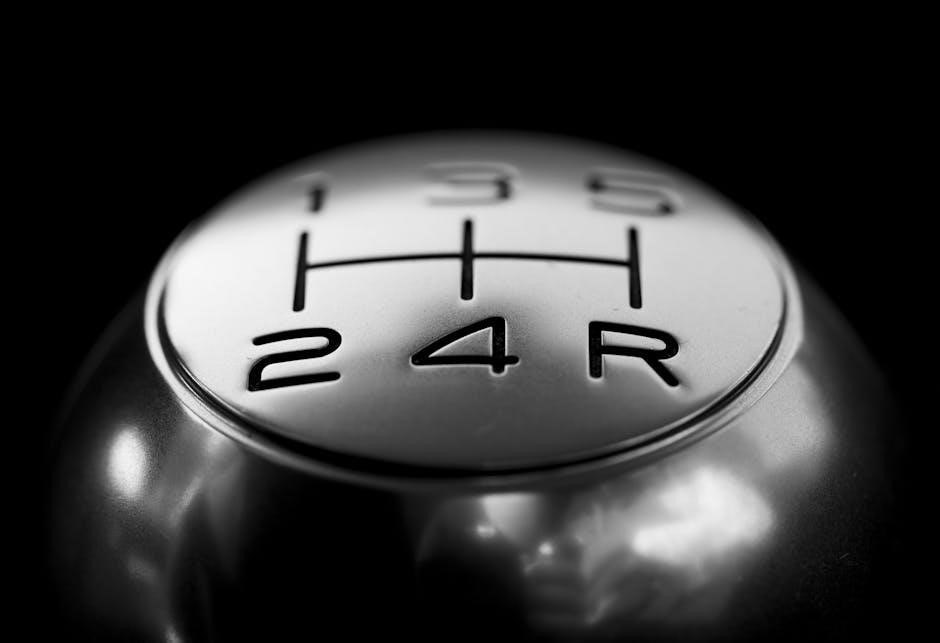
Repairing the Rubicon Manual Transmission
Online forums reveal Honda owners face transmission repairs, with ABS issues on Civics costing around €900. Professional services are often needed for complex fixes.
DIY Repair Considerations
Attempting Rubicon manual transmission repairs yourself requires significant mechanical expertise and specialized tools. Online discussions highlight common issues like clutch failures and worn synchronizers. However, diagnosing these problems accurately can be challenging without proper diagnostic equipment.
Owners reporting Civic ABS issues suggest repairs can be costly, indicating potential complexity. Before undertaking any DIY work, thoroughly research the specific repair, gather detailed instructions, and assess your skill level honestly. Incorrect repairs can lead to further damage and safety concerns, potentially exceeding professional repair costs.
Professional Repair Services
Seeking qualified professional services is crucial for complex Rubicon manual transmission repairs. Online forums reveal instances of costly repairs, like ABS issues on Civics exceeding €900, emphasizing the potential expense of neglecting maintenance.
Certified Honda technicians possess the necessary expertise, diagnostic tools, and access to genuine parts. They can accurately diagnose problems, perform repairs correctly, and ensure the transmission functions optimally. While potentially more expensive upfront, professional repairs offer peace of mind and prevent further damage, ultimately saving money.
Cost of Common Repairs
Repair costs for Rubicon manual transmissions vary significantly depending on the issue and labor rates. Forum discussions highlight a Civic ABS repair reaching €900, demonstrating potential expenses. Clutch replacements typically range from €500 to €1000, including parts and labor.
Synchro replacements or gear repairs can be considerably more expensive, potentially exceeding €1500. Diagnostic fees usually range from €80 to €150. Obtaining quotes from multiple reputable shops is essential for comparing prices and ensuring fair value.
Upgrading the Rubicon Manual Transmission
Owners explore performance clutches and short-throw shifters to enhance the Rubicon’s manual transmission. Gear ratio changes optimize performance for specific terrains.
Performance Clutch Upgrades
For Rubicon enthusiasts seeking enhanced control and durability, performance clutch upgrades are a popular modification. Stock clutches can sometimes struggle with larger tires or demanding off-road conditions, leading to slippage and reduced efficiency. Upgrading to a heavy-duty clutch kit, featuring reinforced pressure plates and high-friction discs, provides increased torque capacity.
This translates to improved power transfer, especially during low-speed crawling and challenging obstacles. Several aftermarket options are available, catering to different driving styles and budgets. Careful consideration should be given to clutch pedal feel and engagement points when selecting an upgrade.
Short Throw Shifter Installation
A short throw shifter significantly alters the Rubicon’s driving experience, reducing the distance required for gear changes. This results in quicker, more precise shifts, enhancing both on-road responsiveness and off-road control. Installation typically involves replacing the factory shifter assembly with an aftermarket unit, often requiring basic mechanical skills and tools.
Benefits include a sportier feel and reduced driver fatigue during extended trails. However, some short throw shifters may require slight adjustments to ensure smooth operation. Online forums often detail installation procedures and potential issues encountered by Rubicon owners.
Gear Ratio Changes for Specific Terrain
Adjusting the Rubicon’s gear ratios is crucial for optimizing performance across diverse terrains. Lower gear ratios provide increased torque for rock crawling and steep inclines, while higher ratios enhance highway cruising efficiency. This involves swapping the pinion and ring gears within the differentials, a task best left to experienced mechanics.
Consider the primary use of your Rubicon; frequent off-roading warrants lower ratios. Online discussions reveal owner preferences and experiences with different gear setups, aiding informed decisions. Proper installation and setup are vital to avoid damage.
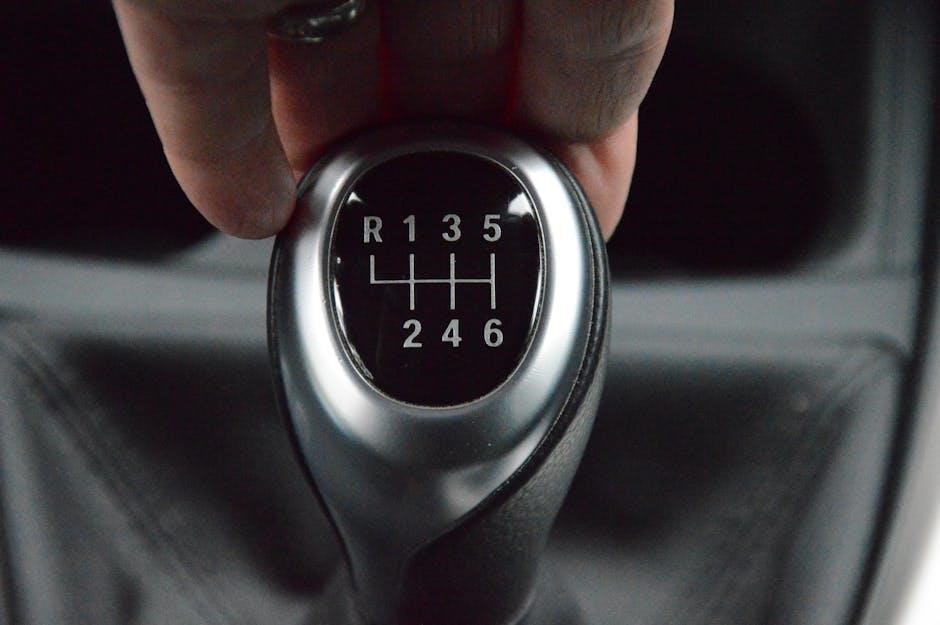
Rubicon Transmission and Off-Road Performance
Rubicon owners discuss drivetrain components impacting off-road capability, focusing on low-range functionality and crawl ratios for challenging trails.
Cooling systems are vital to prevent overheating during intense use, a common concern noted in online forums.
Low Range Capabilities
The Rubicon’s manual transmission, coupled with its transfer case, delivers exceptional low-range capabilities crucial for serious off-roading. This allows for significantly increased torque at the wheels, enabling controlled ascents and descents over obstacles;
Online discussions reveal owners frequently utilize low range for rock crawling and navigating technical terrain. The effectiveness of this system is a key reason many prefer the manual transmission option. Proper gear selection and clutch control are essential to maximize low-range performance, preventing stalling and maintaining momentum.
Understanding the transfer case’s operation is vital for utilizing these capabilities effectively.
Crawl Ratio Explained
The crawl ratio, a critical metric for off-road performance, represents the amount of wheel rotation per engine revolution in low range. A higher crawl ratio equates to slower, more controlled movement over obstacles, minimizing wheel spin and maximizing traction.
Rubicon owners discuss optimizing this ratio through gear changes and tire size modifications. Calculating the crawl ratio involves considering the transfer case’s low-range gear reduction, transmission gear ratios, and tire diameter. Understanding this ratio allows drivers to precisely control vehicle speed during challenging terrain navigation.
Transmission Cooling for Off-Road Use
Intense off-road driving generates significant heat within the Rubicon’s manual transmission. Prolonged stress, like rock crawling or steep inclines, can lead to overheating and potential damage. Owners frequently discuss preventative measures, including auxiliary transmission coolers.
These coolers increase the transmission fluid capacity and dissipate heat more effectively. Monitoring transmission fluid temperature is crucial during demanding excursions. Forum posts highlight Civic overheating issues, suggesting Honda’s cooling systems may require upgrades for extreme conditions, ensuring longevity and reliability.
Comparing Rubicon Transmissions
Online forums reveal owner debates between manual and automatic Rubicon transmissions, alongside generational differences. Reliability concerns, like Civic ABS issues, influence these comparisons.
Manual vs. Automatic Transmission
Rubicon owners frequently weigh the pros and cons of manual versus automatic transmissions in online discussions. While specific Rubicon transmission details aren’t directly present in the provided snippets, broader Honda owner experiences offer insight.
Concerns about Honda vehicle reliability, such as Civic ABS failures and CR-V start/stop issues, indirectly influence this debate. Owners consider potential repair costs – like the €900 ABS fix – when evaluating transmission choices.
Ultimately, the preference hinges on driving style and intended use, with off-road capability often favoring the control offered by a manual system.
Differences Between Rubicon Generations
While direct Rubicon transmission specifics are absent in the provided data, broader Honda model year variations suggest potential generational differences. Owners discuss issues across various Honda models (Jazz, Civic, CR-V) from 2003 to 2025, hinting at evolving component quality.
Experiences with HR-V and Jazz suggest potential changes in hybrid system reliability; The Civic’s ABS problem and CR-V’s start/stop malfunction illustrate how issues can emerge or be resolved across model years.
Therefore, Rubicon generations likely exhibit transmission refinements and potential problem areas unique to their production periods.
Transmission Reliability and Longevity
Based on online Honda owner experiences, transmission reliability appears variable. A Civic reaching 220,000km developed braking and ABS issues, requiring a €900 repair. This suggests potential longevity concerns with certain components.
However, discussions lack specific Rubicon transmission failure rates. Broader Honda model complaints – hybrid systems, start/stop malfunctions – indicate potential weak points across generations.
Preventative maintenance and careful operation are crucial for maximizing Rubicon transmission lifespan, given observed issues in related Honda vehicles.

Resources for Rubicon Owners
Online forums are vital for Rubicon owners seeking advice, while parts suppliers offer necessary components.
Service manuals provide technical details, aiding DIY repairs or informed professional service discussions.
Online Forums and Communities
Dedicated online forums represent a cornerstone resource for Honda Rubicon owners grappling with manual transmission concerns. These platforms facilitate invaluable peer-to-peer support, allowing individuals to share experiences, troubleshooting tips, and repair insights.
Recent online discussions, mirroring broader Honda vehicle issues (HR-V, Jazz, Civic, CR-V), often center around common problems and repair costs. Owners actively exchange information regarding fluid checks, clutch operation, and potential upgrades, fostering a collaborative environment for resolving transmission-related challenges;
These communities provide a space to discuss specific model year nuances and access collective knowledge beyond official documentation.
Parts Suppliers
Sourcing reliable parts is crucial for Honda Rubicon manual transmission maintenance and repair. Numerous suppliers cater to off-road enthusiasts, offering a range of components from clutch kits to gear sets and seals.
Considering recent online discussions about Honda vehicle repairs (HR-V, Jazz, Civic, CR-V), verifying supplier reputation and part quality is paramount. Owners frequently share experiences regarding cost-effective options and potential pitfalls.
Exploring both OEM Honda parts and reputable aftermarket alternatives ensures access to necessary components for optimal transmission performance and longevity.
Service Manuals and Technical Documentation
Accessing comprehensive service manuals is vital for Honda Rubicon manual transmission work, whether performing routine maintenance or tackling complex repairs. These resources provide detailed diagrams, torque specifications, and step-by-step procedures.
Given recent online discussions about Honda vehicle issues (HR-V, Jazz, Civic, CR-V), accurate documentation minimizes errors and ensures proper component installation. Digital versions offer convenient access during repairs.
Supplementing manuals with online forums and technical bulletins enhances understanding and troubleshooting capabilities.
Specific Rubicon Model Year Considerations
Online forums reveal varied experiences with Honda transmissions across years, from CR-V issues in 2010 to recent HR-V and Jazz concerns reported in 2025.
2003-2006 Rubicon Transmission Details
Early Rubicon models (2003-2006) utilized a robust, yet sometimes problematic, manual transmission. Online discussions frequently mention potential issues with synchronizers, particularly in second and third gear, leading to grinding during shifts.
Owners report varying degrees of longevity, with some experiencing failures around 100,000 miles, while others exceed 150,000 miles with proper maintenance.
Forum posts suggest diligent fluid changes and clutch upkeep are crucial for extending the transmission’s lifespan. Concerns about ABS and overall vehicle reliability are also noted in recent online conversations.
2007-2011 Rubicon Transmission Details
Rubicon transmissions from 2007-2011 saw some refinements, though core mechanical components remained largely similar to earlier models. Owners still discuss synchronizer wear, but reports suggest a slight improvement in durability compared to the 2003-2006 years.
Online forums reveal continued emphasis on regular fluid checks and changes to prevent issues. Discussions also touch upon broader Honda reliability concerns, including ABS malfunctions reported in Civic models.
These years benefit from increased parts availability and a growing body of owner knowledge regarding common repair points.
2012-2014 Rubicon Transmission Details
Rubicon transmissions in the 2012-2014 range generally exhibit similar characteristics to the 2007-2011 models, with ongoing discussions about synchronizer health and clutch wear. Owners frequently share experiences regarding maintenance schedules and fluid types.
Forum posts reveal a correlation between diligent upkeep and transmission longevity, mirroring concerns raised about Honda vehicles like the Jazz and CR-V. Reports of ABS issues, though less frequent, still surface.
Parts sourcing remains relatively straightforward, aided by a robust aftermarket and continued Honda support.
Advanced Rubicon Transmission Topics
Discussions often extend to the transfer case, driveline impacts, and diagnosing transmission noises, mirroring broader Honda vehicle troubleshooting seen in online forums.
Understanding the Transfer Case
The transfer case is a critical component working alongside the Rubicon’s manual transmission, enabling both two-wheel drive and four-wheel drive operation. Online Honda forums reveal frequent discussions about driveline components and their interconnectedness.
It distributes power to both the front and rear axles, crucial for off-road capability. Understanding its function is vital for maximizing the Rubicon’s potential. Proper maintenance, alongside transmission care, ensures reliable performance, as evidenced by owner experiences shared regarding various Honda models.
Driveline Components and Their Impact
The Rubicon’s driveline, encompassing the transmission, transfer case, driveshafts, and axles, significantly impacts off-road performance. Forum discussions highlight how issues with one component can cascade, affecting others – mirroring experiences with Honda Civic ABS and CR-V braking systems.
Worn U-joints, failing CV joints, or a compromised transfer case can diminish power delivery. Maintaining these components, alongside the manual transmission, is crucial for reliability, as owners attest when discussing Honda vehicle maintenance.
Troubleshooting Noisy Transmissions
Identifying transmission noises in the Rubicon is key to early diagnosis. Whining sounds often indicate worn bearings, while clunking may signal issues with the synchronizers or gear mesh. Online forums echo similar diagnostic approaches used for Honda Civic and CR-V problems.
Owners report noises developing after extensive off-road use. Regular fluid checks, as discussed regarding Honda Jazz maintenance, can help prevent premature wear. Ignoring noises can lead to costly repairs, mirroring experiences shared online.

Future of the Rubicon Manual Transmission
Considering current automotive trends, the Rubicon’s manual transmission faces uncertainty due to emissions regulations and shifting market preferences, as seen with other Honda models.
Potential for New Transmission Technologies
The automotive landscape is rapidly evolving, prompting consideration of advanced transmission technologies for the Rubicon. While current discussions focus on existing manual and automatic options, future iterations could explore continuously variable transmissions (CVTs) or more sophisticated automated manual transmissions (AMTs).
Hybrid technology, evident in Honda’s HR-V and Jazz models, presents opportunities for integrating electric motors directly into the transmission system, enhancing efficiency and off-road capability. However, adapting these technologies to the Rubicon’s rugged demands requires careful engineering, balancing performance with durability and cost, as highlighted by owner concerns regarding Honda vehicle reliability.
Impact of Emissions Regulations
Increasingly stringent emissions regulations significantly influence transmission development. Modern standards necessitate optimized fuel efficiency and reduced pollutant output, potentially limiting the future of traditional manual transmissions in the Rubicon.
Honda’s focus on hybrid technology, seen in models like the HR-V and ZR-V, demonstrates a commitment to meeting these regulations. Adapting the Rubicon to comply may involve incorporating hybrid systems or advanced automatic transmissions with more gears, as seen in Civic models, impacting both performance and complexity, mirroring owner discussions about Honda’s design choices.
Market Trends and Owner Preferences
Shifting market trends show a decline in manual transmission popularity, with consumers increasingly favoring automatic transmissions for ease of use. However, a dedicated segment of Rubicon owners still value the control and engagement offered by a manual gearbox.
Online forums reveal owner debates regarding Honda models like the Jazz and CR-V, balancing practicality with driving experience. This preference impacts demand, potentially influencing Honda’s decision to continue offering—or discontinue—the manual option, mirroring broader automotive industry shifts.